More voters oppose U.S. military action against Iran (47%) than support it (43%), and half say the effort is not worth the cost while believing the United States is already at war. As the administration scrambles to build a Strait of Hormuz escort coalition and gas is up 26% in a month, Trump is facing the bulk of the blame for the latest cost-of-living problem.
- 48% blame the Trump administration for rising gas prices — more than oil companies (16%), global markets (13%) and Biden-era policies (11%) combined.
- 3 in 4 voters expect the strikes to push gas prices higher. 70% expect inflation to increase. 53% say the action will harm the economy overall.
The politics are bad for pro-war members. Voters who say they’d punish a member for supporting the strikes (36%) outnumber those who'd reward them (29%), suggesting less energy on the supporting side.
Gas blame and cost pressure
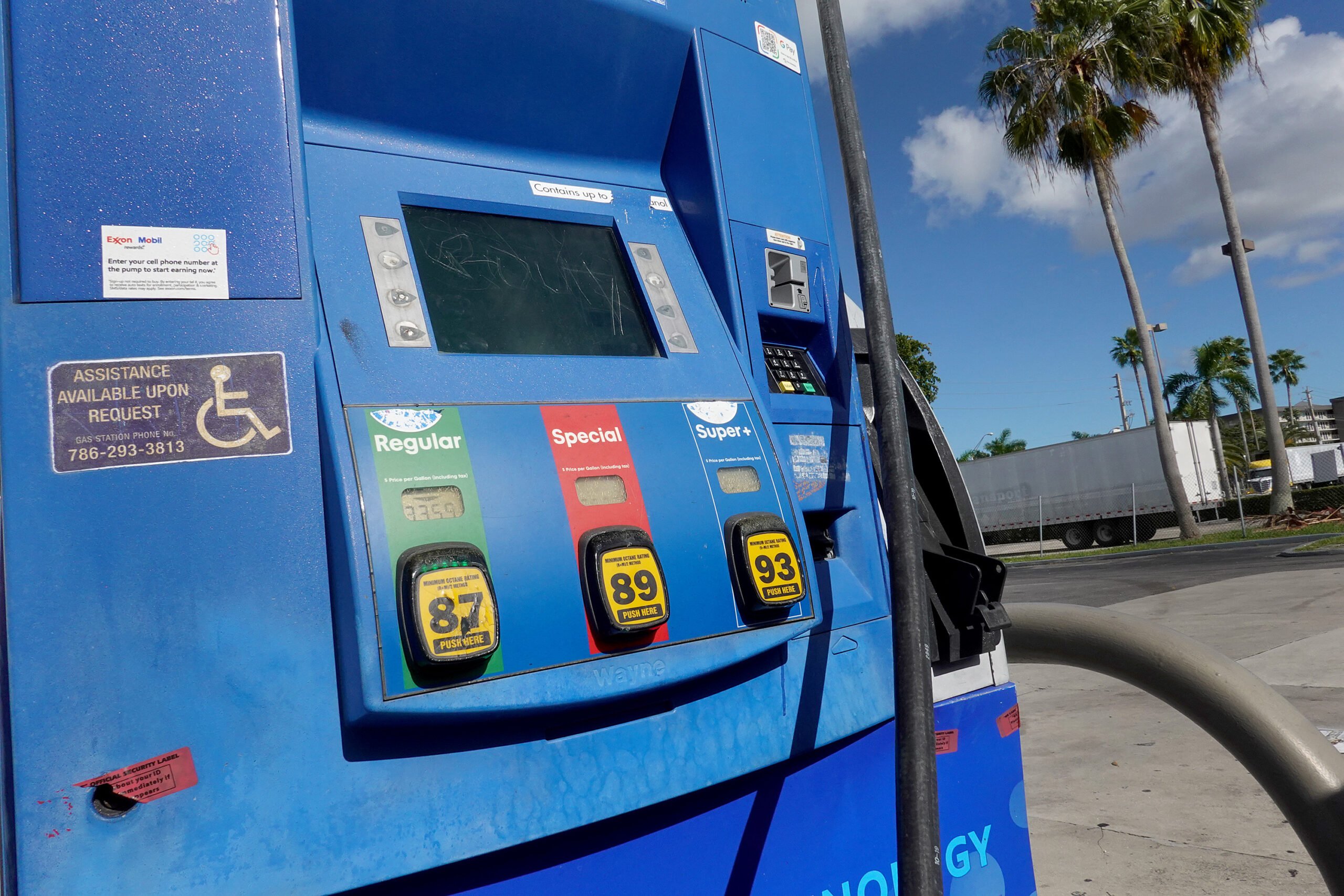
Nearly half of voters (48%) point the finger at the Trump administration for gas prices — a plurality that dwarfs every other option. 81% noticed prices change in the past two weeks; among them, 96% say prices went up.
The behavioral response is already showing: 49% say they're driving less. Two-thirds expect prices to keep rising. Only 17% expect a decrease — roughly the share of Americans who think Wright's "few more weeks" timeline holds up.
|
Who's most responsible for gas prices?
|
|
|
Trump administration
|
48%
|
|
Oil and gas companies
|
16%
|
|
Global markets / OPEC
|
13%
|
|
Biden-era policies
|
11%
|
See the table below for expanded MENA coverage drawn from Morning Consult’s daily geopolitical tracking data followed by our forecast of where consumer confidence is headed globally, and in two major outlier markets — Russia and China.
Opposition to military action
More voters oppose the Iran campaign (47%) than support it (43%), and the opposition's reasons are almost entirely economic. Among opponents, 63% cite gas price fears, 63% say it could escalate into a broader war, and 56% say Congress never authorized the strikes — a live issue as Democrats push a privileged war-powers vote this week.
|
Support vs. oppose U.S. military action against Iran
|
|
|
Strongly support
|
23%
|
|
Somewhat support
|
20%
|
|
Total support
|
43%
|
|
Somewhat oppose
|
16%
|
|
Strongly oppose
|
31%
|
|
Total oppose
|
47%
|
The intensity gap matters: "strongly oppose" (31%) outpaces "strongly support" (23%) by 8 points. Among undecideds who were pushed, they break 2-to-1 toward opposing.
Expected economic damage
Voters see this hitting everything. Majorities expect the strikes to increase gas prices (74%), raise inflation (70%), increase terrorist risk (69%), harm the economy (53%), hurt U.S. global standing (48%), and damage American companies abroad (46%). Only 21% think the action will improve the economy.
|
Expected impact of Iran action on...
|
Will increase/harm
|
Will decrease/improve
|
|
Gas prices
|
74%
|
7%
|
|
Inflation / cost of living
|
70%
|
6%
|
|
Terrorist attack risk
|
69%
|
13%
|
|
U.S. economy overall
|
53%
|
21%
|
|
U.S. global standing
|
48%
|
30%
|
|
U.S. companies globally
|
46%
|
21%
|
That's not a mixed verdict. That's a consensus that the war is making things worse across the board.
Duration and endgame
The country is split on strategy — 43% want diplomacy now even if Iran retains some nuclear capability, 42% want to keep going until the program is permanently dismantled. But only 30% are willing to sustain operations "as long as it takes," and another 30% say the U.S. shouldn't be involved at all. 62% think full-scale war is likely.


.jpg)